September 15, 2026
Understanding the impact of a collision repair on your vehicle's market value is essential for every car owner. Whether you drive a brand-new vehicle or a well-loved daily commuter, knowing how structural or cosmetic restoration alters long-term appraisal prices helps you make informed choices after an accident. According to Auto Leap, the average age of vehicles on U.S. roads has reached a record high of 12.6 years, with projections suggesting it will increase to 13 years by 2026. As drivers keep their automobiles longer, the likelihood of experiencing a fender bender increases. Today's prospective buyers are increasingly analytical, scrutinizing historical vehicle records before making an offer. Navigating accident history, restoration quality, and disclosure standards enables you to safeguard your asset's eventual trade-in value.
Understand Collision Repair
Collision restoration encompasses a wide range of procedures designed to return a damaged automobile to safe operational standards. These procedures vary from simple cosmetic dent pulling to intricate structural realignments. A successful fix must address underlying safety mechanisms alongside visible surface damage. Understanding the technical scope of auto body repair allows consumers to select facilities capable of returning vehicles to factory specifications.
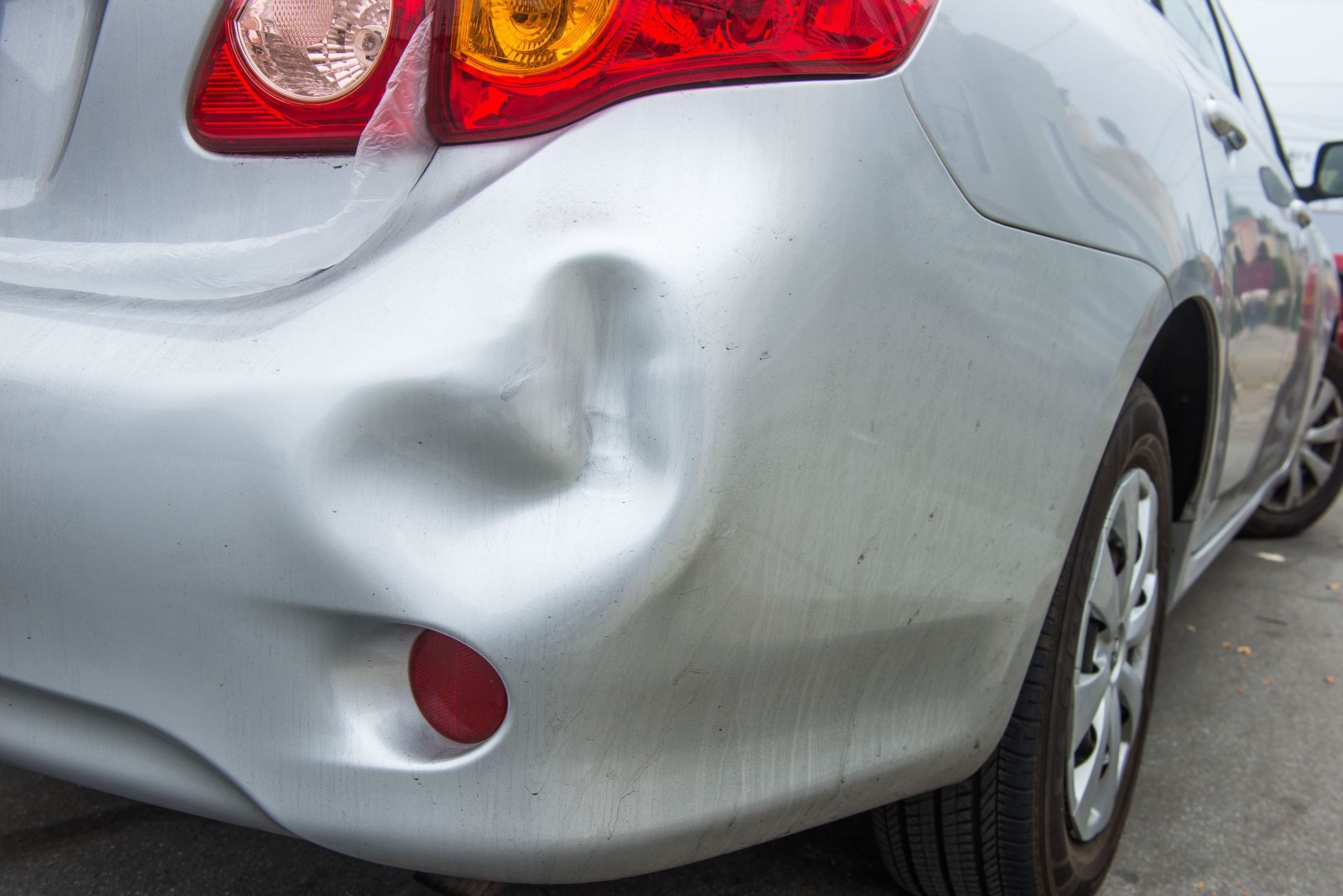
Damages are categorized as either superficial or structural. Minor issues like bumper scuffs, small door dings, and surface scratches rarely compromise mechanical safety. Conversely, severe impacts affecting the subframe, suspension, or safety airbags demand expert intervention. Certified technicians utilize computerized measuring systems to diagnose concealed frame misalignment. Resolving hidden structural damage during auto body repair prevents unsafe driving dynamics and mitigates accelerated market depreciation.
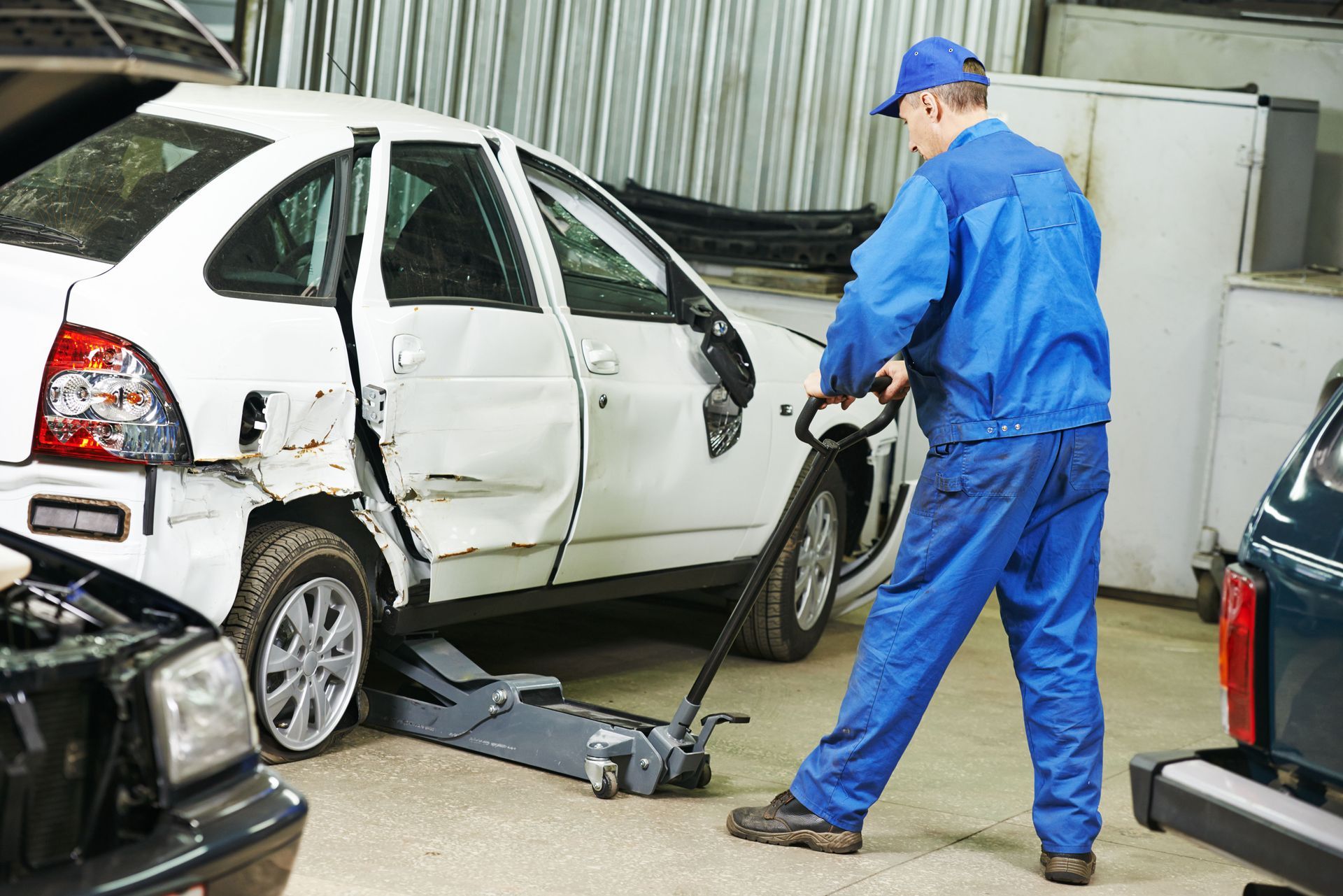
The restoration process begins with a meticulous assessment. Technicians disassemble affected panels to evaluate internal components and construct accurate labor estimates. The process then progresses through structural pulling, panel replacement, paint matching, and reassembly. Each phase requires technical accuracy to ensure exterior alignment mirrors factory tolerances. Final quality assurance checks confirm that safety sensors, lane-assistance cameras, and crumple zones function correctly before customer delivery.
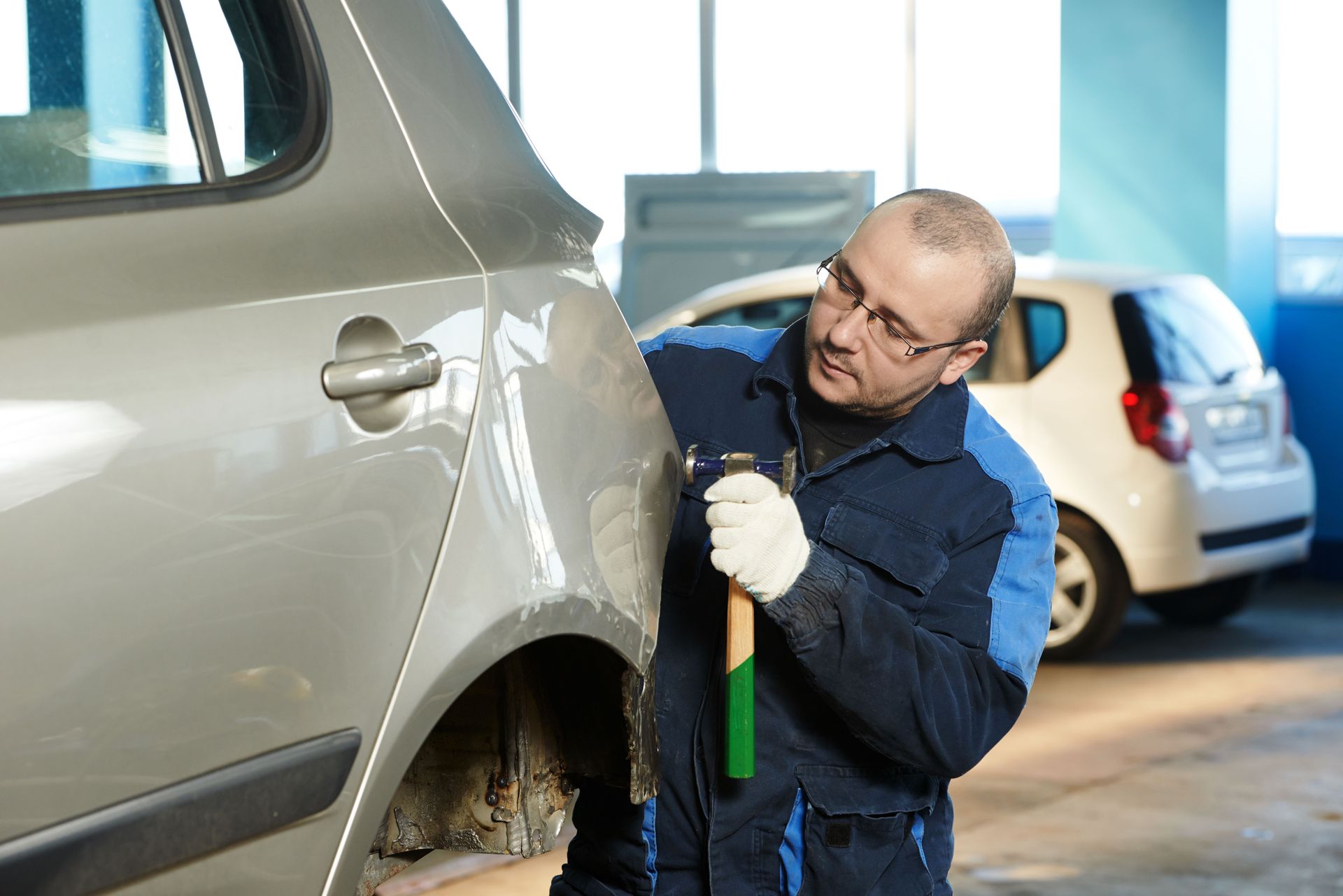
Modern facilities rely on advanced machinery to deliver precise outcomes. Precision frame straighteners, laser alignment tools, and computerized paint matching systems allow technicians to match factory paint finishes seamlessly. Specialized dent extraction tools restore metal contours without damaging original clear coats. Utilizing advanced auto body repair equipment ensures structural repairs meet strict manufacturer guidelines, preserving long-term structural integrity.
Technician qualifications significantly influence overall craftsmanship. Credentials from organizations like the Inter-Industry Conference on Auto Collision Repair indicate rigorous training in modern materials like aluminum and high-strength steel. Certified technicians stay updated on safety standards, ensuring modern safety systems are recalibrated correctly. Choosing a certified auto body repair facility provides confidence that your vehicle has been restored safely, minimizing long-term valuation penalties.
The Impact on Resale Value
Prospective buyers often examine used vehicles using professional inspectors or pre-purchase mechanics. A documented accident history can trigger aggressive negotiation tactics, lowering initial buyer offers. However, complete disclosure paired with detailed receipts builds buyer trust. Demonstrating that damage was corrected by an accredited auto body repair facility alleviates concerns regarding structural reliability and helps justify fair market prices.
Several variables determine post-accident valuation penalties, starting with impact severity. The choice between original equipment manufacturer parts and cheap aftermarket alternatives plays a key role during professional appraisals. Furthermore, the market reputation of the chosen facility impacts buyer confidence. Transparent documentation verifying proper frame alignment helps preserve resale equity far better than undocumented, low-cost repairs.
Minor cosmetic fixes like paint touch-ups or paintless dent removal rarely affect market value. These minor touch-ups are viewed as routine wear and tear. Conversely, major structural repairs or airbag deployments incur inherent diminished value loss. Diminished value represents the immediate loss in market worth that occurs simply because a vehicle has an accident record, regardless of repair quality.
Market perception heavily dictates eventual transaction pricing. Cautious buyers worry about hidden mechanical issues or uneven tire wear stemming from past collisions. However, the modern pre-owned market readily accepts repaired automobiles when accompanied by transparent documentation. Because drivers retain vehicles longer, buyers routinely evaluate restored cars, prioritizing proven maintenance history over pristine, unverified backgrounds.
Industry statistics reveal that vehicles with significant accident histories can experience a market value reduction ranging between ten and thirty percent. Major structural damage triggers the highest depreciation rates, while minor cosmetic repairs cause minimal price drops. Providing comprehensive documentation detailing the restoration process helps mitigate these financial losses during private sales or dealer trade-ins.
Documentation and Transparency
Comprehensive repair records serve as tangible proof of proper restoration. Keeping detailed invoices, parts lists, and itemized labor receipts demonstrates that no shortcuts were taken during reconstruction. This paper trail confirms that safety standards were strictly met, providing buyers with verifiable proof of quality work.
Providing full transparency during sales negotiations maintains your credibility as a seller. Sharing before-and-after photographs alongside official shop invoices reassures hesitant buyers. Open communication addresses safety concerns preemptively, keeping buyers engaged and preventing collapsed sales negotiations.
Third-party history services like Carfax and AutoCheck play a major role in used car transactions. These platforms aggregate insurance claims, police reports, and service records into accessible vehicle reports. Proactively offering a clean, verified history report demonstrates seller integrity while validating that all reported damage was professionally addressed by a licensed facility.
Failure to disclose known structural defects or major accident histories can lead to legal liability under consumer protection laws. Sellers must disclose known material defects to avoid potential lawsuits or financial penalties after the sale. Prioritizing transparency protects both parties, creating a legally sound transaction.
Enhanced Resale Value Post-Repair
Maintaining overall vehicle health helps offset accident-related depreciation. Routine oil changes, tire rotations, brake service, and regular detailing keep the automobile performing well. A well-maintained vehicle with complete service records commands higher market prices, counteracting historical accident penalties.
Targeted upgrades can further boost market appeal. Updating worn interior trim, installing modern infotainment features, or mounting fresh tires increases buyer interest. Presenting a mechanically sound, clean vehicle shifts buyer focus toward current condition rather than past cosmetic repairs.
Strategic marketing highlights your car's best attributes to potential buyers. Craft detailed advertisement descriptions showcasing low mileage, premium factory options, and meticulous maintenance schedules. Utilizing clear, high-resolution photography of flawless paintwork demonstrates that past damage was completely resolved.
During negotiations, approach discussions with confidence and full documentation. Establish a fair asking price based on comparable market data for repaired vehicles. Presenting itemized restoration receipts proves the vehicle's structural integrity, allowing you to defend your asking price against unreasonable lowball offers.
Alternative Valuation Considerations
Depreciation rates on restored vehicles vary based on age, brand demand, and repair transparency. Conducting market research on similar accident-adjusted listings helps set realistic pricing expectations. Understanding historical depreciation trends enables sellers to price their vehicles competitively while maximizing financial returns.
Professional auto appraisals offer an unbiased evaluation of a car's post-repair worth. Independent appraisal reports serve as solid evidence during insurance diminished value claims or buyer price negotiations, validating fair market value through objective technical analysis.
Comparing private sales against trade-in offers helps maximize final returns. While dealerships reduce trade-in offers to cover resale margins, private buyers often pay higher prices for transparently documented, well-maintained vehicles. Choosing the right sales channel depends on whether you prioritize convenience or maximum financial return.
While an accident record can influence market pricing, choosing a certified
auto body repair partner, retaining comprehensive repair documentation, and practicing transparent sales techniques will effectively safeguard your vehicle's long-term worth. If you need expert panel restoration, frame alignment, or flawless paint matching, turn to Auto Dent Express for trusted craftsmanship that protects your investment.